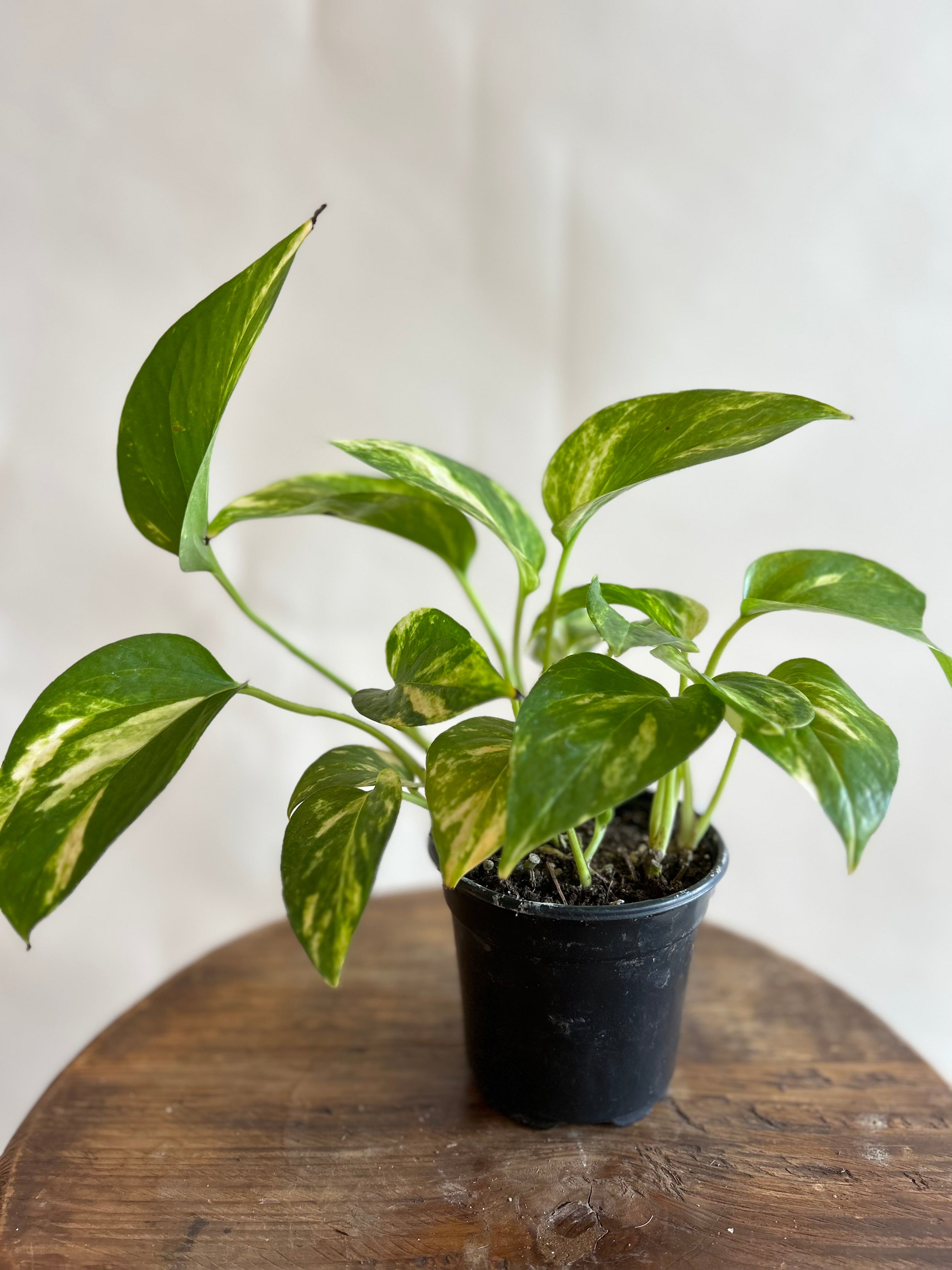
Yellow leaves on your favorite potted plant usually mean the roots are drowning in wet soil or starving for plain water. It happens to almost every home grower at some point. You walk out to your sunny spot, look at your green pot, and spot three bright yellow leaves right near the bottom.
The trick to saving your plant is checking the top two inches of dirt with your finger before you add another drop of water. Yellow leaves are just a cry for help. Once you match the exact shade and pattern on the leaf to the right problem, your plant will bounce back with fresh green shoots in about two weeks.
Too Much Water is the Main Reason Leaves Turn Yellow
Most people love their plants to death by watering them every single morning. I used to do this exact same thing with my potted basil every July. I thought hot summer air meant the soil needed a soaking every eight hours. My basil leaves turned pale green, then yellow, and finally dropped off onto the brick floor.
When soil stays wet all day, air cannot get down to the roots. Roots need oxygen to breathe, just like we do. Without air, the roots rot, turn soft and brown, and stop sending food up to the stems. The lowest and oldest leaves always turn yellow first because the plant pulls nutrients out of them to keep the young top leaves alive.
You can test your soil moisture in five seconds without buying any special gear. Push your index finger down into the dirt up to your second knuckle. If the soil feels cool and sticks to your skin like wet cake mix, leave the watering can alone. If the dirt feels dry and warm, and flakes right off your finger, it is time for a deep drink.
Make sure your pot has drain holes in the bottom. A plastic or clay pot without holes holds water like a bucket. If you grow plants on a small outdoor patio, setting pots on flat saucers can trap run-off water around the base. Empty those saucers fifteen minutes after every watering so your plants never sit in a puddle.

Under-Watering Makes Leaves Crisp and Pale
Under-watering also causes yellow leaves, but the plant looks completely different. When a plant gets too dry, the leaves turn light yellow, feel paper-thin, and curl up at the edges. They turn brown and crunchy around the tips before they fall off your plant.
This dry leaf problem hits home growers during hot August days. A small pot sitting in direct sun can dry out completely by two in the afternoon. If you skip just one day of watering, the soil pulls away from the inside edge of the pot. Then, when you finally water it, the liquids run right down the inner walls and straight out the bottom holes without touching the root ball.
To fix rock-hard dry dirt, soak the entire pot in a tub of cool water for twenty minutes. You will see air bubbles rise to the surface as the soil sponge fills up again. Take the pot out, let the extra liquid drain away, and set it back in its spot. Check out these simple potted plant care guides to help keep your daily routine simple throughout the changing seasons.
Try to water your containers early in the morning, right around seven or eight o'clock. Morning watering gives the roots plenty of time to drink before the harsh mid-day heat warms up the air. It also keeps the leaves dry overnight, which stops leaf spots and white molds from growing.
Lack of Plant Food Makes Green Leaves Fade
Plants in containers use up all the nutrients in their dirt after about six weeks. Rain and tap water wash away nitrogen, iron, and magnesium every time water drains out the bottom holes. When the food runs out, green leaves lose their color because they cannot make fresh chlorophyll.
Nitrogen shortage makes the whole leaf turn a uniform light yellow, starting from the bottom of the plant and moving up the main stem. If your plant stays tiny, looks thin, and has yellow lower leaves, it is hungry. A quick feed with a balanced liquid plant food brings back that dark green shine within seven to ten days.
Iron shortage looks very different. The leaf turns bright yellow, but the tiny veins inside the leaf stay dark green like a green net. This happens most often to young leaves near the top of the stem. You can read more about how plants move water and nutrients through their stems on this simple Gardening page.
Feed your potted plants once every two weeks during spring and summer. Skip the plant food in late fall and winter when plants rest and stop growing. Too much fertilizer burns root tips and makes leaf edges turn black, so always mix liquid food at half the strength listed on the bottle tag.
Not Enough Sun Causes Leaves to Bleach and Drop
Sunlight is pure energy for green leaves. If you put a plant in a dark corner or under a deep shadow, it cannot make energy. The plant will shed leaves it cannot support, turning them pale yellow before dropping them flat on the ground.
Plants leaning hard toward the nearest window or rail are telling you they need more light. A tomato plant needs six full hours of direct sunlight every day to stay dark green. A leafy fern, on the other hand, prefers soft morning light and burns if you put it in harsh direct summer sun.
Move shade-starved pots to a brighter spot gradually over three or four days. Moving a plant straight from a dark room into hot sun shocks the leaves, turning green tissue into yellow and white spots within hours. Give the pot two hours of morning light on day one, four hours on day two, and full sun by day four.
Rotate your pots a quarter turn every time you water them. Turning the pot gives all sides equal sun exposure. It keeps your plant growing straight and bushy instead of long, thin, and yellow on the dark backside.
Bugs and Pests Sucking the Sap Out of Leaves
Tiny bugs like spider mites and aphids love to hide on the undersides of leaves. They poke tiny holes in the leaf tissue and suck out the sugary plant sap. This sap loss leaves small yellow dots on the upper leaf surface, making the leaf look dusty or speckled.
Turn over three yellow leaves today and look closely at the backs. Spider mites leave tiny white webs near the central leaf vein. Aphids look like small green or black dots clustered along tender young stems. Scale insects look like small brown bumps stuck flat against the leaf stems.
You do not need harsh spray bottles to deal with tiny bug attacks. Wipe down the tops and bottoms of the leaves with a wet cloth soaked in warm water and two drops of mild dish soap. For small plants in a Container garden, a strong spray of fresh tap water from a hose washes away most bugs in ten seconds.
Check your outdoor plants once a week during warm weather. Catching five aphids in May keeps you from dealing with five hundred bugs in July. Healthy plants with deep green leaves can handle a few stray bugs without turning yellow or dropping leaves.
Natural Aging and Seasonal Leaf Loss
Sometimes yellow leaves are completely normal and mean your plant is growing well. As a plant gets taller, old leaves at the very bottom get shaded out by new top growth. The plant naturally drops these old, bottom leaves so it can focus its energy on growing fresh leaves, flowers, and fruit.
If your plant has twenty dark green leaves at the top and just one light yellow leaf right at the base of the soil line, do not worry. Simply clip that one leaf off near the main stem with a sharp pair of clean scissors. Removing old yellow leaves keeps your plant looking clean and stops rot from starting near the dirt line.
Plants also change color when the weather cools down in October. Perennial balcony plants save energy in their roots as daylight hours grow short. Their leaves turn yellow, then brown, and dry up for the winter months. This winter sleep is natural, so hold back on water and let the plant rest until warm March sunshine returns.
Learn to listen to the signs your plants give you through their leaf colors. You can find more practical solutions for common growing problems with our step by step plant troubleshooting guides. Every yellow leaf is just a simple signal telling you to change the water, move the pot, or offer a little fresh food.
Check the dirt in your wettest pot right now with your finger. If it feels like soggy sponge mud, slide a small block under the base so water can drain out freely today.
Comments
Post a Comment